
SS 420 is a martensitic stainless steel with 12.0–14.0% chromium and a carbon content that starts at 0.15%. The extra carbon over 410 lets it harden to a higher level, and it is magnetic. EN 1.4021 (X20Cr13) specifies 0.16–0.25% carbon, and the higher-carbon 1.4028 (X30Cr13, SUS420J2) hardens further still. Engineers use it for cutlery and surgical blades, pump shafts, valve trim and mould and die parts that need some corrosion resistance.
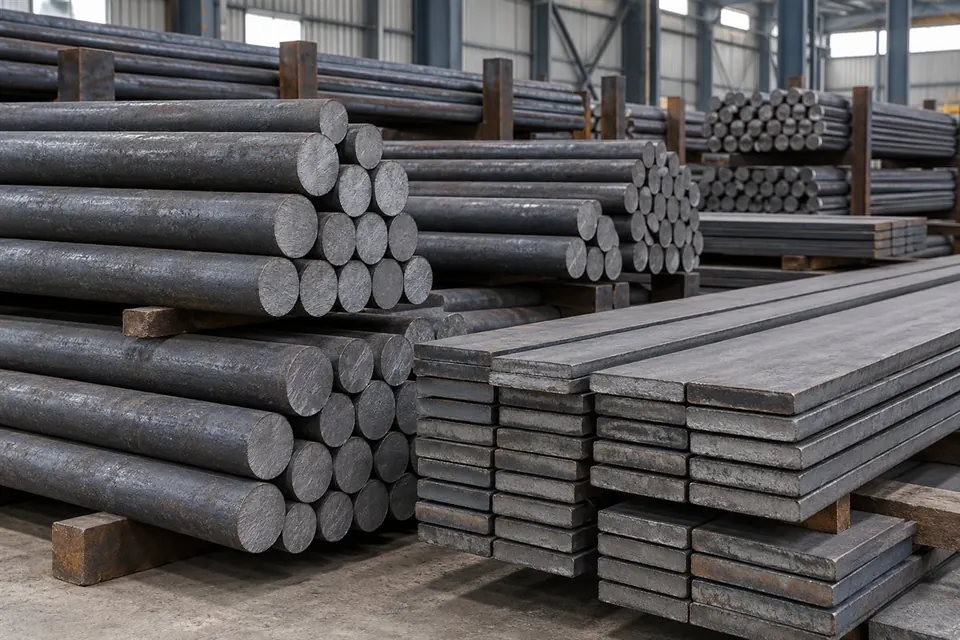
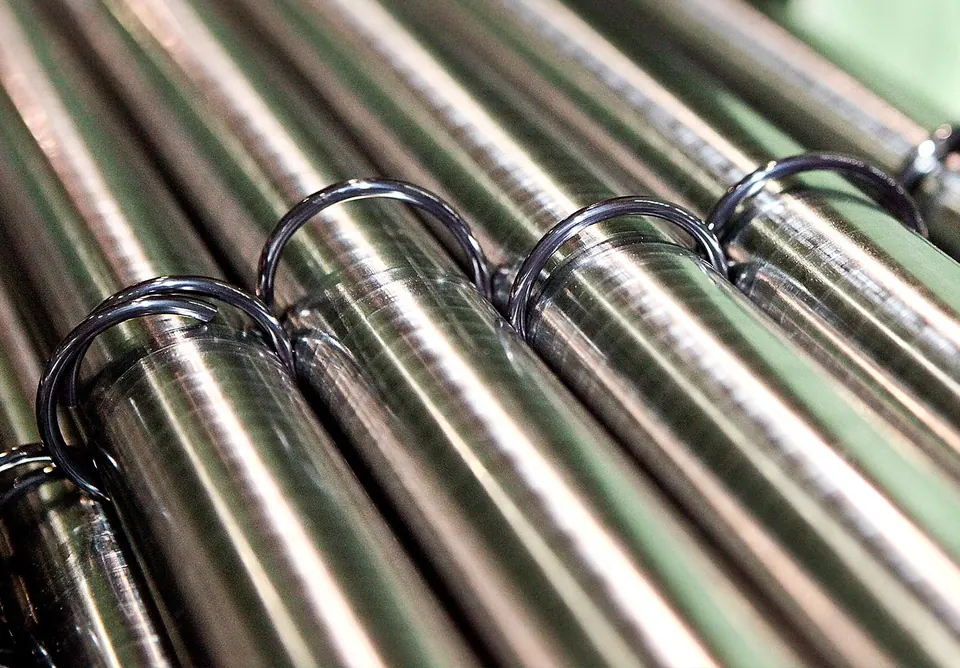
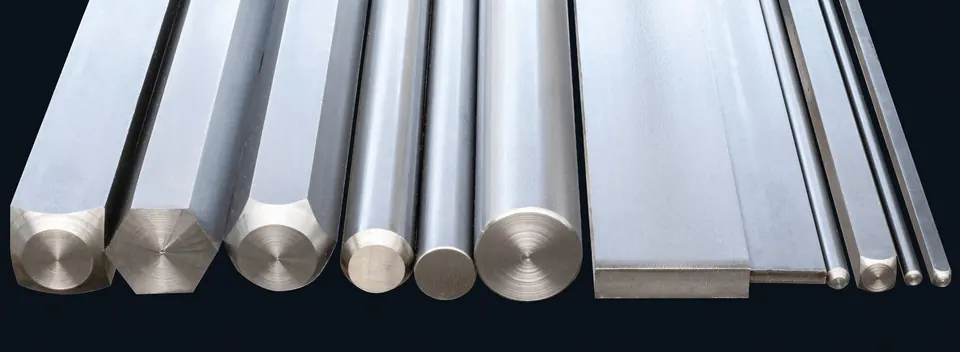
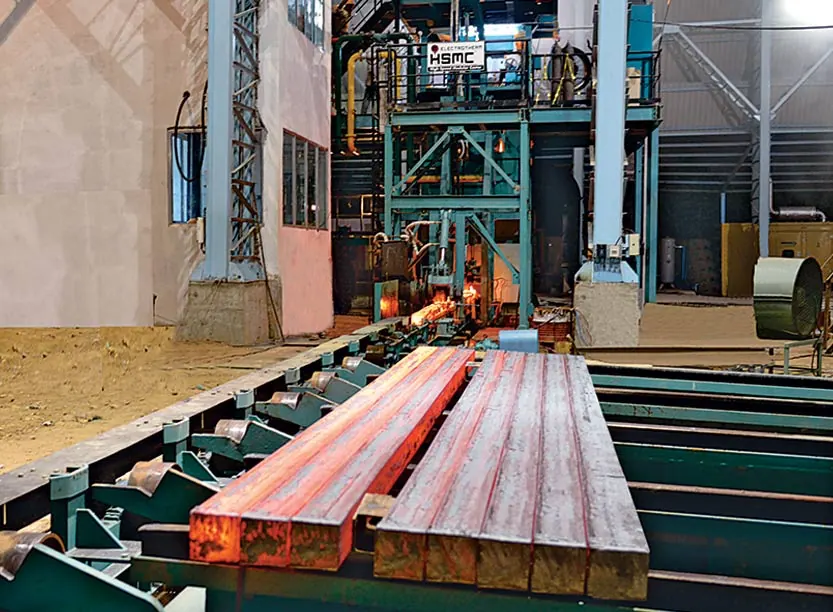
OneKaizen sources SS 420 from India's leading mills and international partner mills and supplies it as rolled round bars in Ø 16–500 mm, bright bars in Ø 8–160 mm, bright hex bars in 18–50 mm AF, hot rolled hex bars in 18–60 mm AF and forged bars in Ø 250–1,030 mm. Delivery condition is your choice: annealed, or hardened and tempered. Every consignment ships with a mill test certificate.
EQUIVALENT GRADES
SS 420 Equivalents
Direct means the same grade under another name. Close means the same alloy concept with slightly different limits, commonly substituted. Approximate means similar use with real differences: check with us before substituting.
| Standard | Designation | Match |
|---|---|---|
| BS 970 | 420S29 | Direct |
| EN | X20Cr13 (1.4021) | Direct |
| EN | X30Cr13 (1.4028) | Close |
| DIN W.Nr. | 1.4021 | Direct |
| AISI/SAE | 420 | Direct |
| UNS | S42000 | Direct |
| JIS | SUS420J1 | Direct |
| JIS | SUS420J2 | Close |
| KS | STS420J1 | Direct |
| KS | STS420J2 | Close |
| GB | 20Cr13 | Direct |
| GB | 30Cr13 | Close |
| UNI | X20Cr13 | Direct |
SS 420 Chemical Composition
Per ASTM A276 (420). EN 1.4021 has C 0.16-0.25%.
| Element | Range, wt % | Range chart |
|---|---|---|
| C | ≥ 0.15 | |
| Mn | ≤ 1 | |
| Si | ≤ 1 | |
| P | ≤ 0.04 | |
| S | ≤ 0.03 | |
| Cr | 12 – 14 |
SS 420 and Its Equivalents: Chemical Composition
Equivalent grades are written to different standards, so their limits differ slightly. Use the column for the standard on your drawing or purchase order.
| Element | 420 ASTM A276 | X20Cr13 (1.4021) EN 10088-3 | X30Cr13 (1.4028) EN 10088-3 | SUS420J2 JIS G4303 |
|---|---|---|---|---|
| C % | ≥ 0.15 | 0.16–0.25 | 0.26–0.35 | 0.26–0.40 |
| Si % | ≤ 1.00 | ≤ 1.00 | ≤ 1.00 | ≤ 1.00 |
| Mn % | ≤ 1.00 | ≤ 1.50 | ≤ 1.50 | ≤ 1.00 |
| P % | ≤ 0.04 | ≤ 0.04 | ≤ 0.04 | ≤ 0.04 |
| S % | ≤ 0.03 | ≤ 0.03 | ≤ 0.03 | ≤ 0.03 |
| Cr % | 12.00–14.00 | 12.00–14.00 | 12.00–14.00 | 12.00–14.00 |
Delivery Condition and Heat Treatment
Typical practice is to harden from about 980–1,050 °C, quench in oil or air, then temper. Tempering at low temperature (about 200–370 °C) keeps the highest hardness and the best corrosion resistance. We supply 420 annealed for machining, or hardened and tempered if you want to skip your own treatment. Tell us the hardness or strength you need and we supply it in that condition.
In the hardened and polished condition SS 420 resists the atmosphere, fresh water, steam and mild chemicals. It is a step below 304 and 316, and it is not suited to chlorides. Heavy rough machining is best done in the annealed condition, before hardening.
SS 420 is harder to weld than 410. The carbon makes the heat-affected zone hard and crack-prone, so it needs preheat of about 200–300 °C and a post-weld temper. For welded parts, 410 is the easier choice.
What We Supply SS 420 In
Where SS 420 Is Used
Industries: Cutlery, Surgical, Pumps and valves, Plastics moulding
Compare SS 420 with Similar Grades
SS 420 Questions
What is the difference between SS 420 and SS 410?
Carbon. SS 420 has 0.15% minimum carbon and 410 has 0.15% maximum, so 420 hardens higher and holds an edge or wear face better. 410 is easier to machine and weld. Use 420 for blades, cutlery and wear parts, and 410 for general shafts and fasteners.
What is the difference between SUS420J1 and SUS420J2?
Carbon level. SUS420J1 matches 1.4021 (X20Cr13) and SUS420J2 matches the higher-carbon 1.4028 (X30Cr13). J2 hardens higher and suits blades and tools. Tell us which JIS or EN designation your drawing uses and we supply that one.
Is SS 420 magnetic?
Yes. SS 420 is martensitic and magnetic, both annealed and hardened. A magnet test cannot separate it from 410, so check the chemistry on the mill test certificate.
How hard can SS 420 get?
Hardened and tempered 420 can reach around 50 HRC, and 420J2 slightly higher, depending on carbon and tempering. Tell us the hardness you need and we supply the bar in that condition. For even higher hardness and wear resistance, look at SS 440C.
Can SS 420 be welded?
Only with difficulty. Preheat and post-weld temper are needed to control cracking in the hardened heat-affected zone. If the part must be welded, SS 410 is easier.
What is the minimum order for SS 420 bars?
3 tonnes, flexible depending on grade, size and your situation. Send us your size, condition and quantity, with the form you need: round, bright, hex or forged bar.
What is SS 420 equivalent to?
SS 420 is the same grade as AISI/SAE 420, UNS S42000, EN X20Cr13, DIN W.Nr. 1.4021. Close equivalents are EN X30Cr13, JIS SUS420J2, KS STS420J2, GB 30Cr13.
In which forms do you supply SS 420?
OneKaizen supplies SS 420 as Round Bars, Bright Bars, Hex Bars, Forged Bars, SS 400 Series, delivered across India and exported to buyers abroad.
Do you supply SS 420 with a mill test certificate?
Yes. Every lot ships with an EN 10204 3.1 mill test certificate showing chemistry and mechanical properties, traceable to the heat number.
Data compiled by the OneKaizen metallurgy team from the standards named above. Updated 26 October 2026. Equivalents are nearest matches; confirm critical substitutions against the governing standard and mill certificate.