
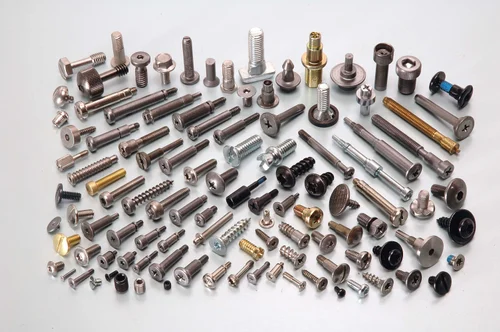
EN31 is a bearing steel with 0.93–1.05% carbon and 1.35–1.60% chromium. It hardens to 58–65 HRC and holds that hardness under rolling contact, which is why it is the standard grade for ball and roller bearing races, bearing rings and rolling elements. It is also used for precision shafts and pins, gauges, rollers, wear-resistant bushes and machine tool spindles.
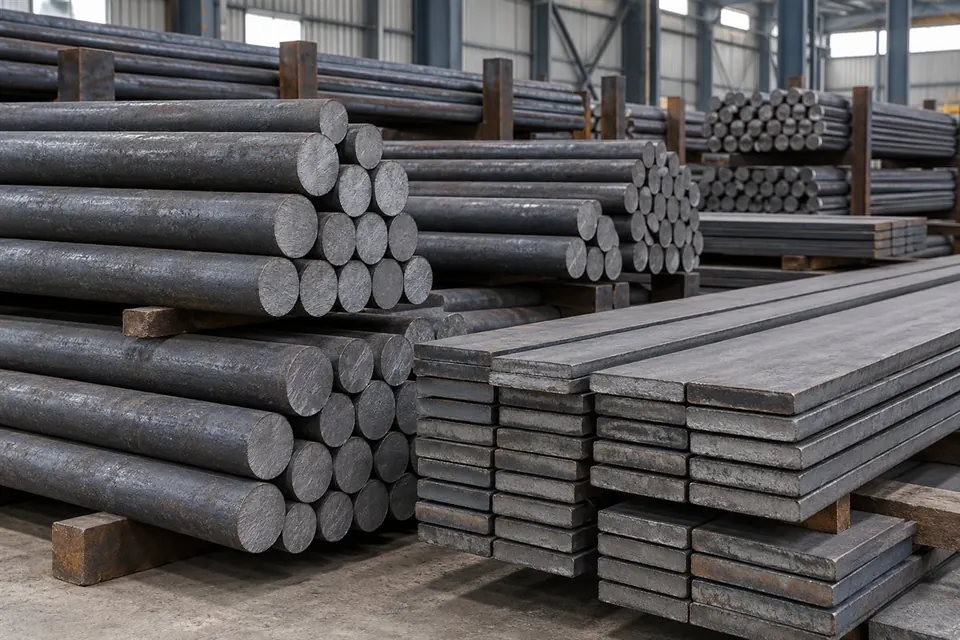
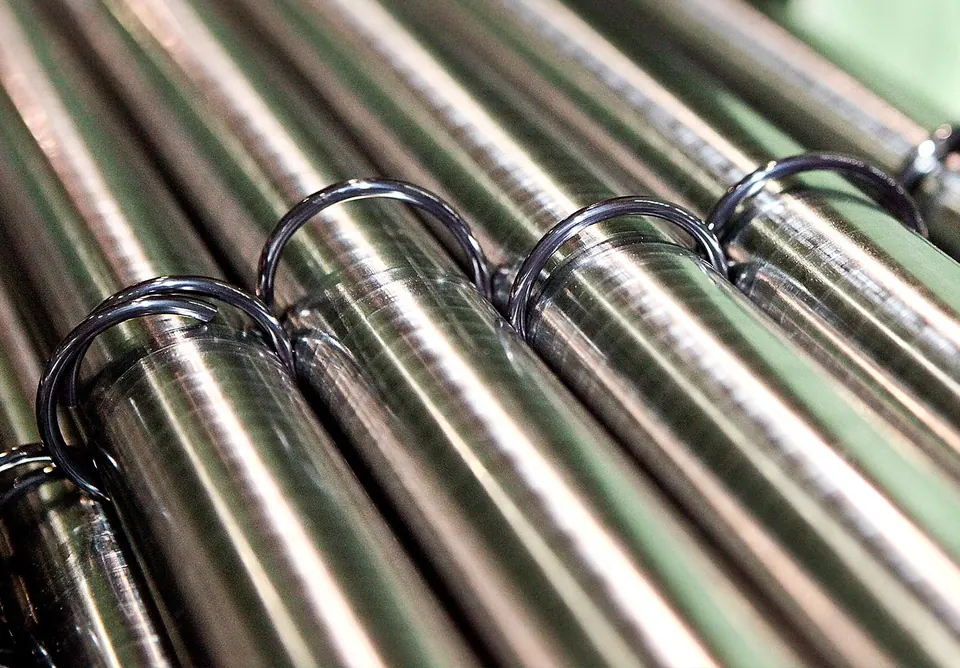
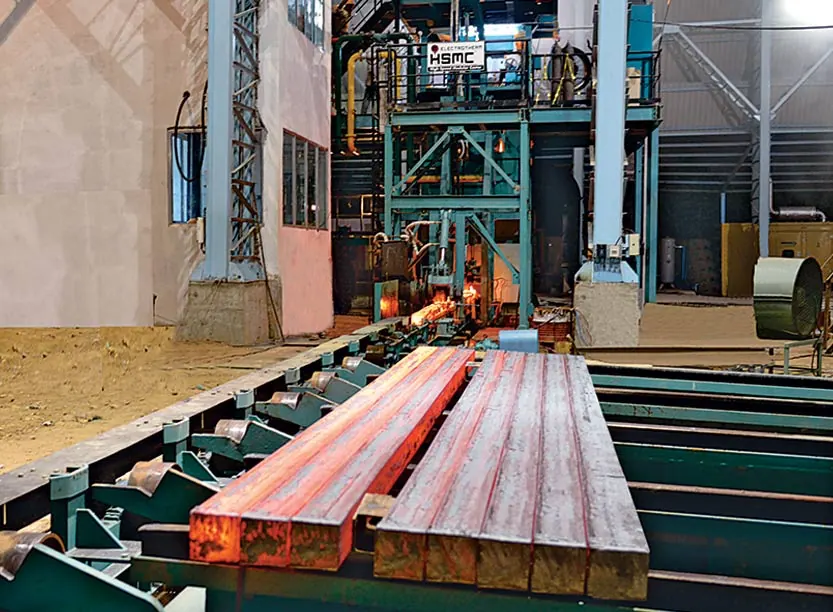
OneKaizen sources EN31 from India's leading mills and international partner mills and supplies it as rolled round bars in Ø 16–500 mm, bright bars in Ø 8–160 mm and forged bars and special forgings in Ø 250–1,030 mm. Delivery condition is your choice: hot rolled, spheroidise annealed, cold drawn, peeled or ground, or forged rings. Every consignment ships with a mill test certificate.
EQUIVALENT GRADES
EN31 Equivalents
Direct means the same grade under another name. Close means the same alloy concept with slightly different limits, commonly substituted. Approximate means similar use with real differences: check with us before substituting.
| Standard | Designation | Match |
|---|---|---|
| Old BS EN | EN31 | Direct |
| BS 970 | 534A99 | Direct |
| EN | 100Cr6 (1.3505) | Direct |
| DIN W.Nr. | 1.3505 | Direct |
| AISI/SAE | 52100 | Direct |
| UNS | G52986 | Direct |
| JIS | SUJ2 | Close |
| KS | STB2 | Close |
| GB | GCr15 | Close |
| UNI | 100Cr6 | Direct |
| UNE | 100Cr6 | Direct |
| TS | 100Cr6 | Direct |
| ISO | 100Cr6 | Direct |
EN31 Chemical Composition
Per EN ISO 683-17 (100Cr6). SAE 52100 is C .98-1.10, Mn .25-.45, Si .15-.35, Cr 1.30-1.60
| Element | Range, wt % | Range chart |
|---|---|---|
| C | 0.93 – 1.05 | |
| Si | 0.15 – 0.35 | |
| Mn | 0.25 – 0.45 | |
| P | ≤ 0.025 | |
| S | ≤ 0.015 | |
| Cr | 1.35 – 1.6 | |
| Mo | ≤ 0.1 |
EN31 and Its Equivalents: Chemical Composition
Equivalent grades are written to different standards, so their limits differ slightly. Use the column for the standard on your drawing or purchase order.
| Element | 100Cr6 EN ISO 683-17 | 52100 SAE J404 | SUJ2 JIS G4805 |
|---|---|---|---|
| C % | 0.93–1.05 | 0.98–1.10 | 0.95–1.10 |
| Si % | 0.15–0.35 | 0.15–0.35 | 0.15–0.35 |
| Mn % | 0.25–0.45 | 0.25–0.45 | ≤ 0.50 |
| P % | ≤ 0.025 | ≤ 0.025 | ≤ 0.025 |
| S % | ≤ 0.015 | ≤ 0.025 | ≤ 0.025 |
| Cr % | 1.35–1.60 | 1.30–1.60 | 1.30–1.60 |
| Mo % | ≤ 0.10 | – | – |
EN31 Mechanical Properties
| Condition | Tensile, MPa | Yield min, MPa | Elongation min, % | Hardness |
|---|---|---|---|---|
| Soft annealed | – | – | – | 207 HB max |
| Hardened & tempered (typical) | – | – | – | 58-65 HRC |
Delivery Condition and Heat Treatment
EN31 is normally supplied spheroidise annealed at 207 HB maximum, so it machines before hardening. Typical practice is to harden from about 830–860 °C, quench in oil, then temper at low temperature. Hardened and tempered, it reaches 58–65 HRC.
The grade is a high-carbon steel, so it hardens fully only in small and medium sections. For heavier sections, 100CrMo7-3 and 100CrMnSi6-4 are the deeper-hardening bearing steels.
EN31 is not meant for welding. With about 1% carbon the weld zone cracks, so parts are machined and heat treated rather than fabricated.
What We Supply EN31 In
Where EN31 Is Used
Industries: Bearings, Automotive, Industrial machinery, Railways, Machine tools, Wind energy
Compare EN31 with Similar Grades
| EN31 | 100CrMo7-3 | 100CrMnSi6-4 | SAE 51100 | |
|---|---|---|---|---|
| Why consider it | This grade | Heavier-section bearing steel with Mo | Deeper hardening bearing steel | Lower Cr |
| C % | 0.93–1.05 | 0.93–1.05 | 0.93–1.05 | 0.98–1.1 |
| Si % | 0.15–0.35 | 0.2–0.35 | 0.45–0.75 | 0.15–0.35 |
| Mn % | 0.25–0.45 | 0.6–0.8 | 1–1.2 | 0.25–0.45 |
| Cr % | 1.35–1.6 | 1.65–1.95 | 1.4–1.65 | 0.9–1.15 |
| Mo % | ≤ 0.1 | 0.2–0.3 | – | – |
EN31 Questions
Is EN31 the same as 52100?
They are the same alloy concept and are used interchangeably. EN31 (534A99) and 100Cr6 carry 0.93–1.05% carbon, while SAE 52100 carries 0.98–1.10%, and the chromium bands differ slightly. Tell us if your drawing needs the exact SAE or ISO 683-17 chemistry.
Is EN31 the same as 100Cr6?
100Cr6 (1.3505) is the European name for the same steel, specified in EN ISO 683-17. Indian and European buyers use the two interchangeably.
What hardness does EN31 reach?
58–65 HRC after hardening and tempering. In the soft annealed condition it is 207 HB maximum. Tell us the condition you need and we supply it.
What is the difference between EN31 and EN24?
EN31 is a high-carbon bearing steel made for wear resistance and surface hardness. EN24 is a nickel-bearing alloy steel made for strength and toughness in shafts. Use EN31 where the part must be very hard; use EN24 where it must carry load and absorb shock.
Can EN31 be welded?
Not in practice. Its high carbon content makes the weld zone hard and crack-prone, so we recommend machining the part from bar or forging.
What is the minimum order for EN31 bars?
3 tonnes, flexible depending on grade, size and your situation. Round bars, bright bars, forged bars and special forgings are supplied on request; send us your size, condition and quantity.
What is EN31 equivalent to?
EN31 is the same grade as Old BS EN EN31, BS 970 534A99, AISI/SAE 52100, UNS G52986. Close equivalents are JIS SUJ2, KS STB2, GB GCr15.
In which forms do you supply EN31?
OneKaizen supplies EN31 as Round Bars, Bright Bars, Forged Bars, Forgings & Special Components, delivered across India and exported to buyers abroad.
Do you supply EN31 with a mill test certificate?
Yes. Every lot ships with an EN 10204 3.1 mill test certificate showing chemistry and mechanical properties, traceable to the heat number.
Data compiled by the OneKaizen metallurgy team from the standards named above. Updated 26 October 2026. Equivalents are nearest matches; confirm critical substitutions against the governing standard and mill certificate.